By Carol Fisher-Linn
We love our food. As those of you who read my missives know, I especially love my cultural food – the ones I grew up feasting on; the ones that fill my heart with soft memories that are immediately aroused by the enticing smell of freshly made kielbasa or the sight of a gorgeous pierogi or cabbage roll! As you read this, I imagine you are thinking about your faves, be they cultural (gnocchi, lox and bagels, schnitzel, Chef’s spaghetti etc.), or local (Buffalo wings, beef on weck, sponge candy, Ted’s hot dogs) etc. Here’s the problem to which no one is really paying enough attention. What fills our tables to the point of being “groaning boards” today may not be here for our little ones when their turn comes to put on and enjoy these feasts. And yet, that possibility is very real. Correction, that probability is real.
It’s already happening. Check out the nutritional value of today’s spinach (especially iron, calcium and vitamins) with the spinach my parents grew in our backyard in the 50’s and 60’s. Google it. You will find that studies suggest key nutrient levels in many crops, including greens, have dropped up to 38% since 1950 due to soil depletion, modern cultivation methods and selective breeding for yield over nutrition. Popeye would be in big trouble today, wouldn’t he? “But as our climate changes,” according to Dr. Hoffmann, “so does our food in an extraordinary number of ways. Hot pepper, Dijon mustard and lamb shortages have occurred; coffee (in their survey it ranks first as the top beverage we’d like to see protected), and chocolate are getting more expensive; wine aromas are changing; citrus is growing in new regions; and saffron supplies are drying up.” Problem is, we go along blithely, not recognizing that the climate monster is nipping at our heels, affecting the very favorite foods we eat/drink.
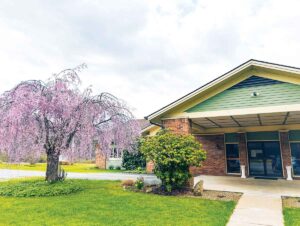
To learn how the changing climate is impacting everything on your menu, the public is invited to a free Olean Meditation Center (OMC) presentation, with the cooperation of the Cattaraugus County Cooperative Extension Center, featuring keynote speaker, Dr. Michael Hoffmann. Dr. Hoffmann is a professor emeritus at Cornell University’s College of Agriculture and Life Sciences and a faculty fellow with the Cornell Atkinson Center for Sustainability, in Ithaca. He is lead author of “Our changing menu: Climate change and the foods we love and need.” Also, he has done a TEDx talk, “Climate Change: It’s time to raise our voices,” (informative and enjoyable to watch) and teaches a climate change leadership course. You can meet Dr. Hoffman on April 25 at 2275 Dugan Rd. Olean, NY. 11am-2pm. Pre-register at oleanmeditation.org. Donations to the center are always welcome.
At the event, you will participate in an interactive and informative presentation on how food is the ultimate climate change messenger and ways that we can collectively focus and work toward solutions. According to Dr. Hoffmann, we truly can tap the power of food to confront climate change and keep our favorite foods on the menu. To continue the impact of Earth Day, seven local environmental organizations will be present, “each representing a different thread in the web of care that holds this region’s natural world together: Cornell Extension, Pfeiffer Nature Center, WNY Wildway, Canticle Farms, NY Backcountry Hunters and Anglers, Allegany Fresh Transport and Bona Responds.” As you visit and network with these incredible local partners, something you see or hear might strike you in a way that you may find you’d like to volunteer with them or support them financially. Volunteers and donations are the fuel these non-profits run on. If you’ve never volunteered before, you might just find your heart’s calling at these tables. Volunteering in nature heals, both nature and the volunteer. It’s a good thing.
After the Keynote address, guests will be served a light meal/coffee-tea and are invited to an informal conversation with Dr. Hoffmann. Of course, as if that isn’t enough, there is a BONUS ROUND: Whoever wishes is invited to walk in the 11.5 acres of Windfall Gardens at OMC. If you haven’t had a chance to play in a maze for a while, enjoy their 70-foot labyrinth complete with ponds. Schedule: 11am – network with partners; 11:45-12:45 Presentation by Dr. Hoffmann; 1-2pm Round table discussion. Refreshments served. Don’t miss this enjoyable way to learn more about climate change and what pro-active role you could play.