
Carol Fisher Linn
It seems that many Americans think we are the only people to celebrate Thanksgiving because we all grew up on the American Thanksgiving story of the pilgrims and Indians. But indeed not. Thanksgiving is a national holiday, not just in the United States but in Canada, Saint Lucia, Liberia and it is unofficial in many other countries.
Here’s the point. Gratitude is global. As we indulge in the thanksgiving season here in America, let’s not forget that thanks is a universal human tradition, transcending borders, cultures and time. The idea of giving thanks grew out of the harvest season, centuries ago.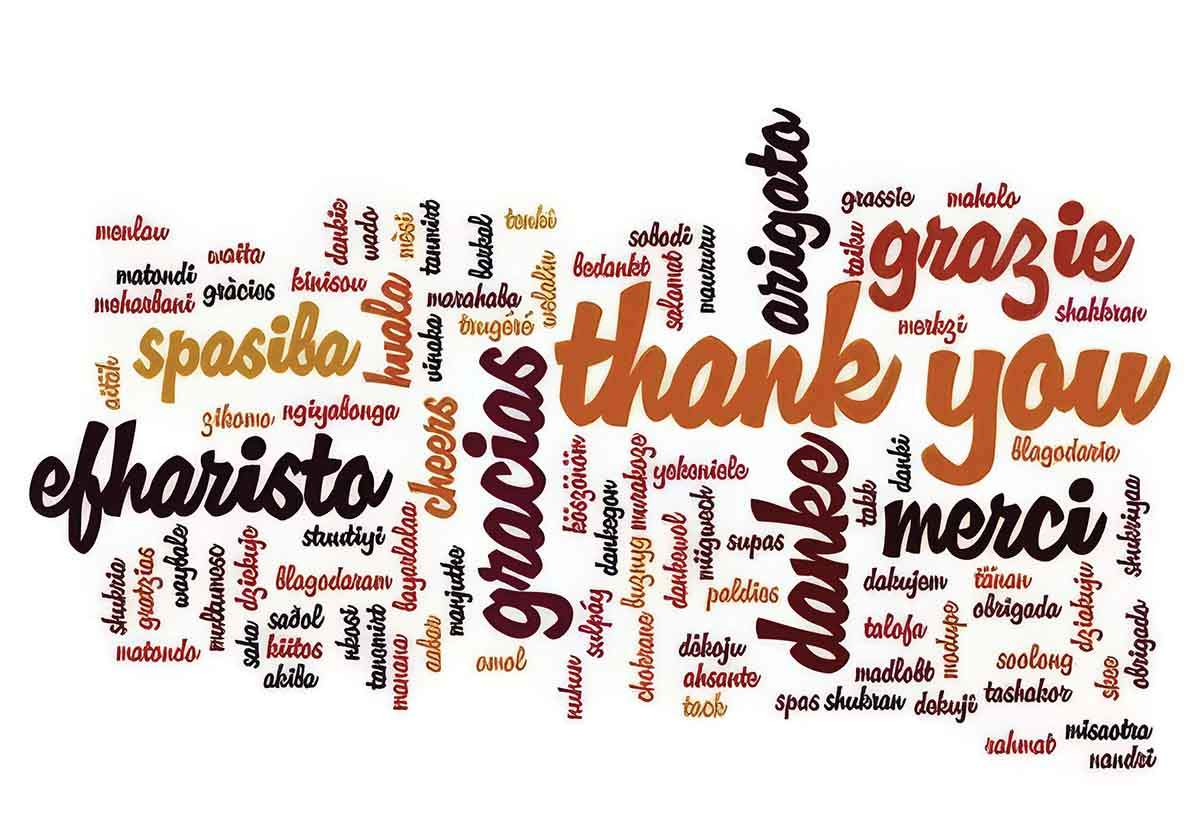
In research, here are a few things I leaned about the worldwide celebrations of thanks: Agricultural practices began around 10,000 years ago with the Neolithic Revolution. Many ancient cultures, such as the Egyptians and Mesopotamians, held harvest festivals over 5,000 years ago. The Greek festival of Demeter, celebrating the harvest, dates to at least 2,500 years ago. The Roman festival of Ceres, honoring the goddess of agriculture, was celebrated around 2,000 years ago. Indigenous cultures worldwide have traditions of giving thanks for harvests that span centuries. Modern Thanksgiving celebrations in the U.S. trace back to the early 17th century, reflecting a long-standing tradition of gratitude for harvests.
So, indeed, long before the modern American traditional Thanksgiving table, people the world over, in times past and present, paused to give thanks for rain that nourished the fields, for hands that worked the soil, for the food that sustained them through long winters. From Languageio.com. “Gratitude has always been a bridge connecting people to one another, to the land, and to the rhythms of life that sustain us. Across continents, communities pause to reflect, celebrate, and share abundance.” Most “thanksgiving” traditions, which may take place in October, September, or even spring, grew out of harvest celebrations. These festivals mark a moment to honor nature’s gifts, recognize hard work, and share abundance with others. Across time and place, the harvest reminds us of our connection to the land and to each other. Gratitude becomes a shared, universal language, one that transcends dialects and cultures and time.
Here’s a snapshot of how others celebrate Thanksgiving around the world: Canadians trace their holiday to the 16th century explorers giving thanks for safe passage and successful harvests. Their Thanksgiving tables are laden with fare much like ours. In the U.S., Thanksgiving is a day for reflection, gratitude, and community. While modern traditions blend Native and colonial influences, the core remains the same: taking stock of blessings, sharing meals, and connecting with family and friends. The French make a big public to-do with an end-of-summer celebration for the harvest with storytelling, dance, wheat-decorated floats, village festivals and communal meals. Germany’s harvest festival combines church services, intricate harvest crowns, and processions through towns and villages. Families pause to give thanks for nature’s gifts, reflecting on abundance before winter sets in. Belgium holds fairs and bread-making contests. In UK communities collect food to give to those in need. Korean families gather to honor ancestors and enjoy communal meals. In Japan, the day honors workers, their contributions, and the fruits of their labor, reminding people that gratitude extends beyond the fields to the effort of human hands. Mooncakes, lanterns, and shared meals bring loved ones together in China. In Israel they celebrate Sukkot, or the Feast of Tabernacles, in both a harvest and spiritual celebration. In Sarawak, Malaysia, the people celebrate Gawai, a rice harvest festival marked by music, dance, and community feasting. The holiday honors ancestors, celebrates the land’s abundance, and strengthens community ties.
In an informal poll taken online asking friends what they are most thankful for at Thanksgiving, and all year round, I got these answers: JW: “the people in my life”; KS: “my warm house, daily meals, warm blankets at night, a car that doesn’t need repairs, my summer garden, my friends, my invisible faith, my health”; SFC (my precious granddaughter in dental school): my health, my friends, family and the opportunity for further education; JZ: family, friends, community and my puppies. For myself, I am grateful for all of those things and, as a Rotary member, I am grateful to St. Paul’s Church for their generosity (building, kitchen, cooks, etc.), The Rotary and all of the people and businesses who have donated money, food, desserts, decorations, and time. We are truly blessed in Ellicottville with generous