By Bill Burk
Part I of II
How the Kinzua Dam flooded a Nation and broke a treaty….
In the 1794 Treaty of Canandaigua between the United States and the Iroquois Confederacy (a treaty that is technically, but not practically valid to this day), there is a phrase of poetry shoehorned into the legalese. It was written by United States treaty drafters and endorsed by George Washington. It reads, “As long as the grass shall grow and the rivers shall run.” It was meant as a guarantee that the terms of the treaty were permanent, good will in perpetuity, a promise from the brand-new president of the brand-new United States to the Iroquois Confederacy -which included the Seneca, Cayuga, Onondaga, Oneida, Mohawk, and Tuscarora nations. The treaty was a major barrier keeping the Allegheny valley free from exploitation for a hundred and sixty years.
And then came the Cold War.
The Cold War gripped the United States starting in the 1950’s and engulfed it with nuclear paranoia and defensiveness. The repercussions are well documented; McCarthyism, fallout shelters, duck and cover drills, and the introduction of the Emergency Broadcast System still used today.
Cattaraugus County was not immune to the pressures.
An underrepresented result was that the mission of the Army Corps of Engineers was expanded. It became a central arm of national security with the responsibility of protecting strategic industrial regions. The Corps was given an outsized authority with the power to declare and administer eminent domain.
That included Pittsburgh, a flood-plain city at the confluence of three rivers, and the steel capital of the United States.
Nashville was not amused.
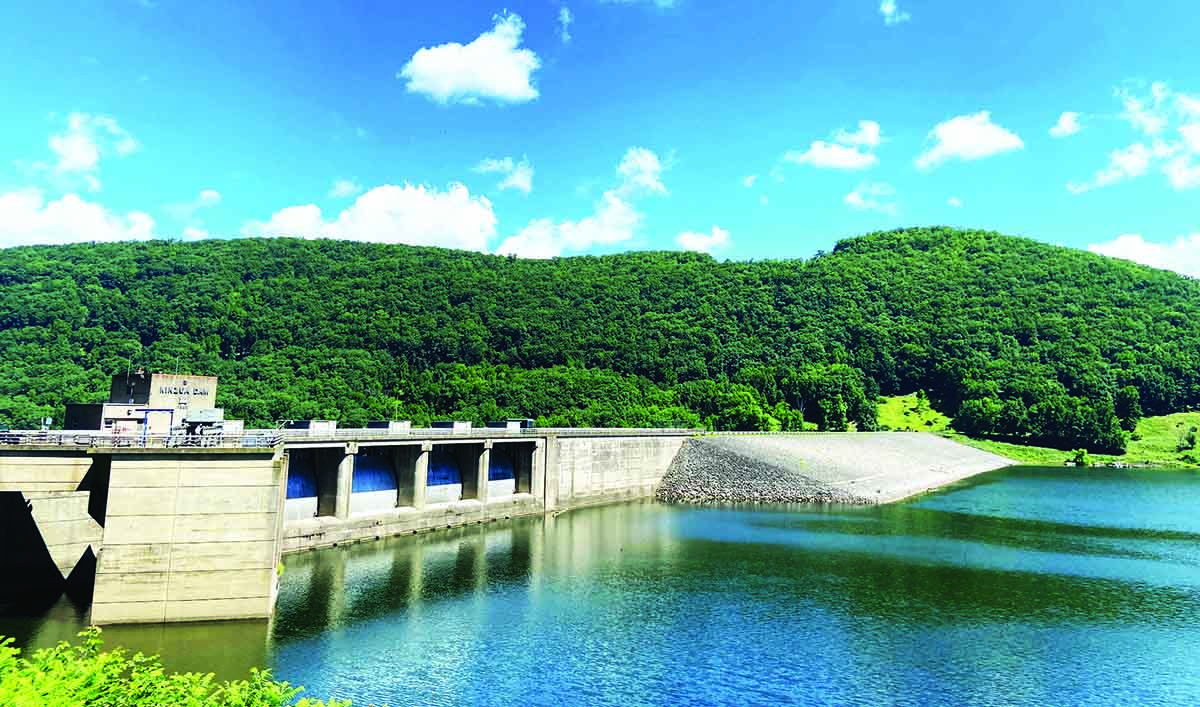
The Army decided that catastrophic flooding could cripple steel production in Pittsburgh. They planned to control the water flow with the Kinzua Dam project, a part of a regional system of reservoirs designed to stabilize the Allegheny and Ohio River valleys. The dam (three million cubic yards of concrete, the equivalent of 300,000 standard concrete mixer trucks, enough to build a sidewalk from Pittsburgh to Buffalo) was a regional flood control system that soon became a national infrastructure priority. The Senecas who owned the valley per the hundred-sixty-year-old treaty, were given notice, and their land was scheduled to be flooded out.
Congress gave the Senecas money, built them housing. The government called it “rehabilitation”. There was no land-for-land replacement, and no formal acknowledgement of the broken treaty. Families were split, ancient burial grounds lost forever, culture and tradition wiped out.
Congress gave the Senecas money, built them housing. The government called it “rehabilitation”. There was no land-for-land replacement, and no formal acknowledgement of the broken treaty. Families were split, ancient burial grounds lost forever, culture and tradition wiped out.
The Seneca Nation sued, arguments grounded on the 1794 Treaty of Canandaigua, and the fact that alternatives existed, including a series of upstream dams that would prevent flooding of Seneca territory.
The federal government argued that national interests superseded 18th century treaty obligations. Cold War flood policy made political and legal resistance impossible.
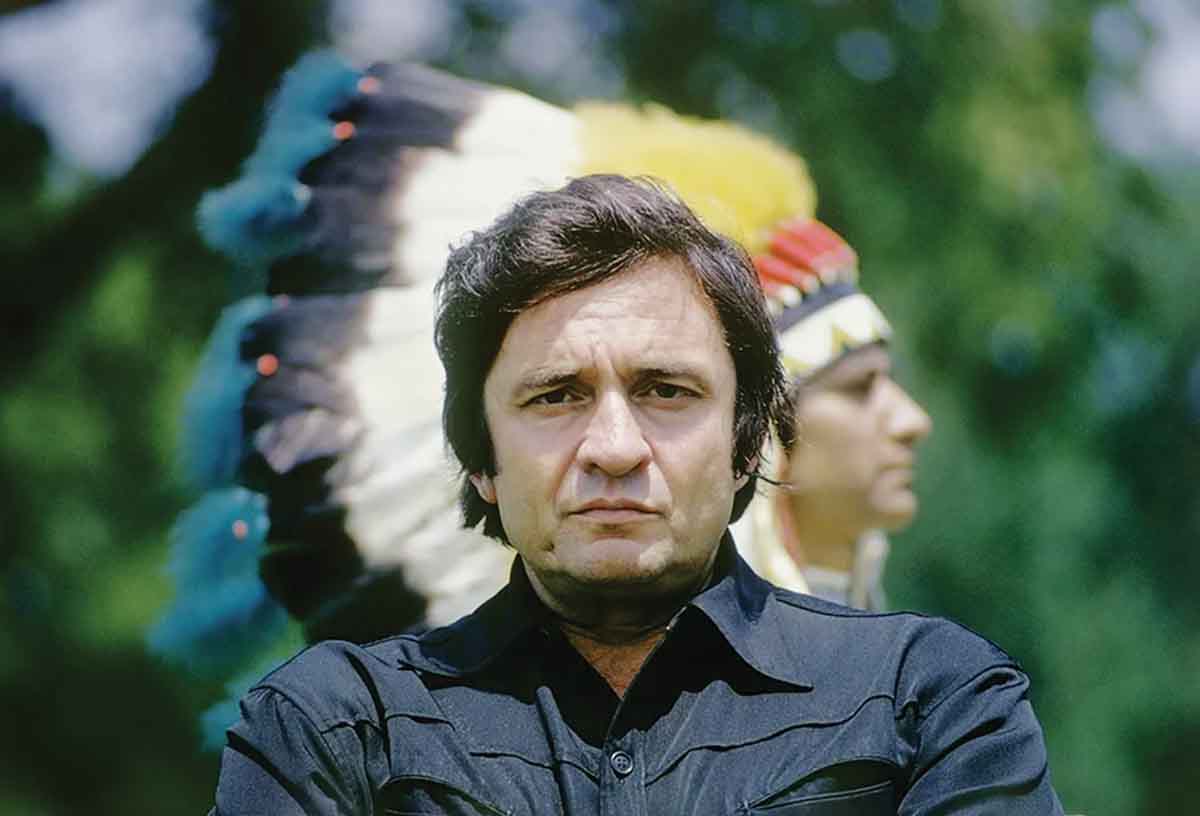
In 1964, Johnny Cash recorded an honest dissent for his Bitter Tears; Ballads of the American Indian album, a song called As Long as the Grass Shall Grow (written by Peter LaFarge, a Native American protest balladist who wrote most of the work on the album, including the popular release The Ballad of Ira Hayes). It is an homage to, and a mockery of, the 1794 Treaty of Canandaigua, and the Army Corps of Engineers decision to wipe out generations of Native American history. Cash, through LaFarge, mentions Kinzua, Presidents Washington, Adams and Kennedy by name. This is not a song coded in esoteric prose; it is a dagger thrown at a government without a conscious.
Nashville was not amused.
Columbia Records did not release or promote “As Long as the Grass Shall Grow”, afraid of political backlash. Cash was furious and took out a full page ad in Billboard Magazine calling out the industry. He personally mailed copies of the album to radio stations demanding they listen. It wasn’t until he played it at live concerts that the song gained traction with his audiences.
Construction on the Kinzua Dam began in 1960, claiming eminent domain over Seneca land because Pittsburg needed a stable and controllable water flow, downstream industrial protection from Cold War flood planning. It was completed in 1965 to become one of the largest flood control structures east of the Mississippi.
The project submerged more than 9,000 acres of Seneca land, including homes, farms, burial grounds, and the historic Cornplanter Tract.
The Senecas call the reservoir Lake of Perfidy.