By Carol Fisher-Linn
Labor Day 2025 – a History Lesson: Why We Celebrate…
Labor Day! It’s right around the corner: a day to celebrate the achievements of working people and to spend time with family and loved ones before the new school year starts. For many, this longest weekend of 2025 is spent at parties and picnics enjoying good food, games, beers, fun and laughter. Lots of fun, right? But, interestingly, the biggest joke about Labor Day being a Federal holiday is that many of our American citizens must labor on Labor Day! Especially in Ellicottville and Bemus Point both of which are service industry oriented.
Per the American Federation of Labor and Congress of Industrial Organizations (AFL-CIO) webpage, a 2017 study was commissioned by the AFL-CIO in which they sought to examine whether working people have the freedom to enjoy paid holidays and time off. “We wanted to know whether those benefits are negatively impacted by a culture that encourages us to work longer hours and to take work home on the weekend. We found a nation overcome by work, a truth felt most deeply by low-wage earners, who have hardly a moment to savor family, friends or relaxation.”
According to the Economic Policy Institute, “nearly a quarter of America’s private-sector workers—23%—have no paid time off for any holidays, including Labor Day, and 24% have no access to any paid vacation at all. Lower-wage earners have less access to paid vacation. Among the bottom 10% of earners, 59% do not have access to paid holidays…”
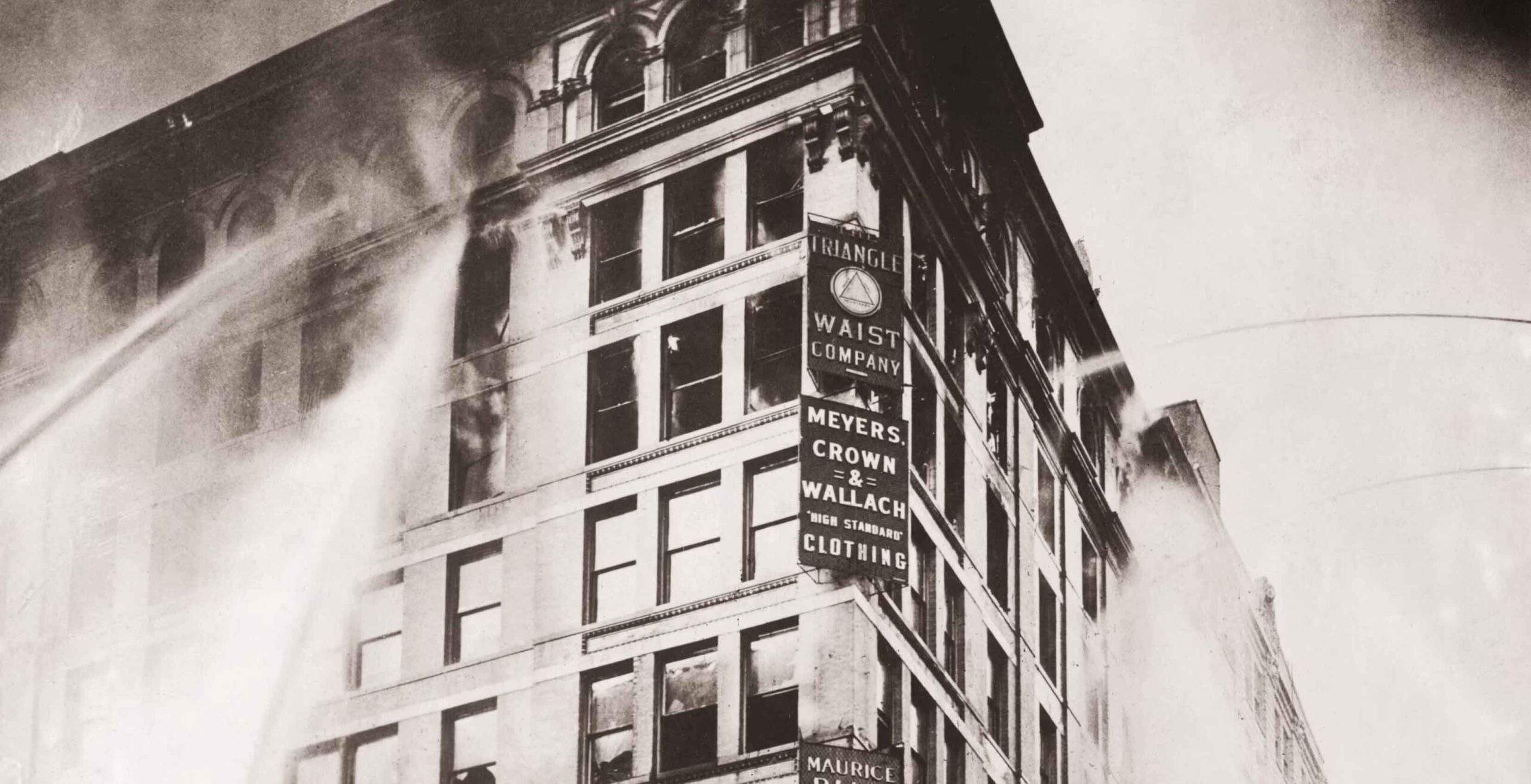
period. The Triangle Shirtwaist factory fi re – 1911 – was the deadliest industrial disaster in the history of NYC, and one of the deadliest in U.S. history.
There were no sprinklers in the building and people were trapped. The fi re led to legislation requiring improved< factory safety standards and helped spur the
growth of the International Ladies’ Garment Workers’ Union (ILGWU), which fought for better working
conditions.
The words “Labor Day,” don’t really convey any historic, meaningful message. There’s no great impact to those words … or is there? Yet it seemed important enough years ago to declare it a national holiday. Perhaps we need to consider the roots of how it began. Labor Day became an official federal holiday in 1894. In fact, by that time, thirty (of forty-four) states officially celebrated Labor Day. But the history surrounding laborers and their disputes goes back even further before the Revolutionary period to a 1636 fishermen’s strike on an island off the coast of Maine, then forty years later to a strike in NYC.
There were very few laws protecting the destitute and the hoards of newly arrived immigrants. Living and working conditions were beyond deplorable. Working conditions were unsafe and sweltering in summer heat – windows nailed shut, e.g. Triangle Shirtwaist factory fire – 1911 – it was the deadliest industrial disaster in the history of NYC, and one of the deadliest in U.S. history. There were no sprinklers in the building and people were trapped. The fire led to legislation requiring improved factory safety standards and helped spur the growth of the International Ladies’ Garment Workers’ Union (ILGWU), which fought for better working conditions. In the late 1800s, at the height of the Industrial Revolution in the United States, the average American worked 12-hour days and seven-day weeks in order to eke out a basic living. Despite restrictions in some states, children as young as 5 or 6 toiled in mills, factories and mines across the country, being paid a fraction of their adult counterparts’ wages. Moving from an agrarian culture to one focused on manufacturing for the majority of American employment, the American labor unions appeared and grew more vocal. There were organized strikes, rallies, protests, many of them turning violent (Haymarket Riot-Chicago-1886). People took to the streets and marched. Sound familiar?
The idea of a “workman’s holiday” took root in 1882 and many states began passing legislation for exactly that. It took another 12 years for Congress to act. On May 11, 1894, employees of the Pullman Palace Car Company in Chicago went on strike to protest wage cuts and the firing of union representatives. A boycott of all Pullman railroad cars ensued – railroad traffic nationwide was at a standstill. Federal troops were sent to Chicago, resulting in riots and more than a dozen deaths. But in the end, labor won out, Labor Day became a recognized holiday – having been given birth during of America’s labor history’s most dismal chapters, proving a lesson still used today, there truly IS power in the American people. A lesson Americans have not forgotten and are still putting into action today.